
A Phenomenon Made Public
Life After LifeThis thread traces the movement from private disclosures toward public recognition and the debate over whether awareness changes the reports themselves.
increasing Bearing strength in each event
 decreasing
Bearing strength in each eventdecreasingPrivate Disclosures
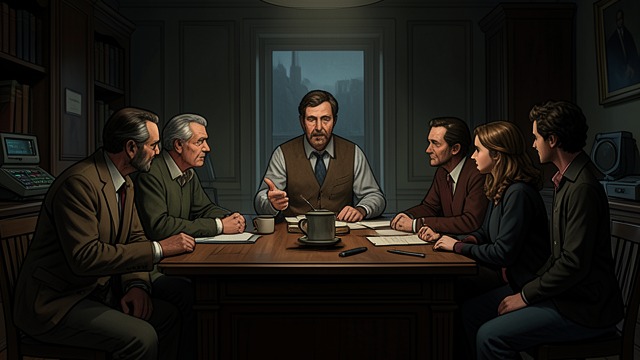
Quiet Testimony
After the Lecture
People who had experienced near-death phenomena tend to approach Moody privately after talks. Their hesitation reflects the risk of ridicule and the difficulty of describing the events.
A Barrier to Knowledge
Private accounts can be difficult to compare or independently discover. The phenomenon may be widespread, yet remain almost invisible to people outside the subject’s immediate circle.
Public Accounts Emerge
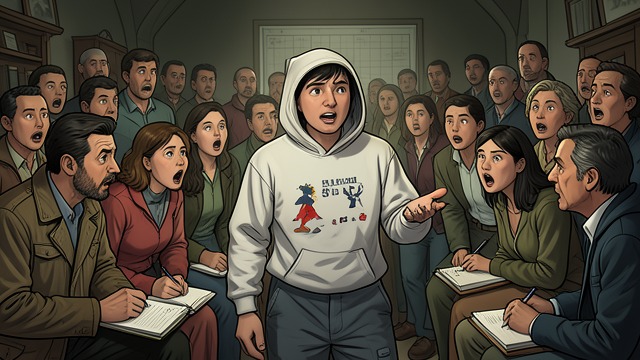
A Change in Willingness
Speaking Unprompted
Some people begin recounting their experiences publicly during lecture discussions. Firsthand accounts give listeners more than a printed description: they can hear the speaker’s manner and sincerity.
Recognition Spreads
Public sharing makes the subject harder to dismiss as one investigator’s private discovery. It also opens a new question about how public discussion might affect later recollections.
A Widespread Claim
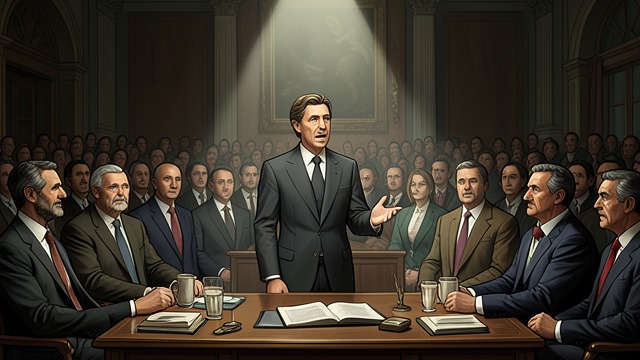
The Question Changes
From Existence to Meaning
Moody concludes that near-death reports are widespread, based on his own work and the accounts of others. He predicts that attention will shift from whether a phenomenon exists to what it means.
Caution Remains
The claim is not a statistical finding from a random sample. Its force lies in repeated reports and the possibility that other investigators can find comparable cases.
Publicity’s Double Edge
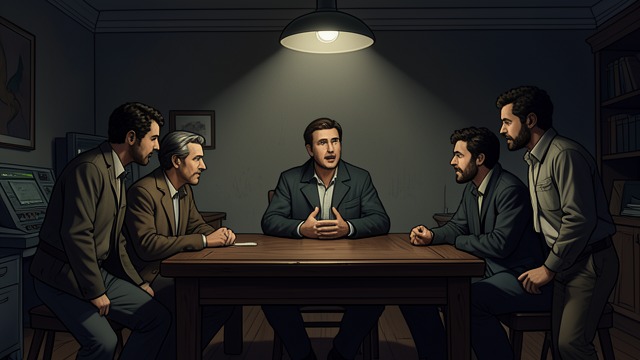
Awareness and Contamination
The Suggestion Problem
Readers ask whether public descriptions might shape later experiences or prompt false claims. Moody recognizes that interviews and publicity complicate efforts to separate spontaneous testimony from learned expectations.
The Case for Disclosure
Keeping the subject a professional secret has its own costs. Moody argues that scientific study requires bringing the phenomenon into view, even if openness introduces new methodological problems.
Toward Better Observation
Visibility with Safeguards
Recording More Than Confirmations
Moody proposes systematic approaches that would include people who report no experience. Such cases would provide necessary comparisons rather than allowing the striking reports to define the whole population.
Public Knowledge, Careful Methods
Open discussion may help people find others with similar experiences. Yet researchers must use neutral questions and careful procedures so that recognition does not become suggestion.
Before Moody’s lectures began drawing open discussion
In the months before Reflections on Life After Life was written
At the opening of the second book
During the reader questions collected for the second book
In the methodological appendix
